
A Human in the Loop Is Only a Control If the Loop Works
Human review is the right model for claims decisions. Whether it holds up in practice comes down to three questions, and the answers are already in your closed files.
Read the post
What we’re learning about claims risk, claims operations and putting AI to work on claims.
Get new posts by email.
New posts on claims risk and AI in claims. Unsubscribe any time.

Decision models promised instant, cheap document classification. We tested them against real claims documents. Here's what held up, and what actually worked.

Every claim has a clock running before it's entered into the claims system. From the moment a demand letter, medical bill or attorney email lands, its value to the carrier starts to decay, and that decay is measured in dollars.
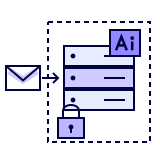
Core-system agnostic deployment runs inside the insurer's own Azure tenant, so claim data never has to leave the environment the insurer already governs.

A catastrophe doesn't just raise claim volume. It hits the intake process with a sudden, concentrated surge that the everyday workflow was never sized for.

Explainability gets used in two different ways in claims, and most conversations never bother to separate them...

When 2026 started, we had a strong conviction and a lot of open questions. The conviction: the story of every insurance claim already exists, scattered across the communications flowing through a claims operation...

For years, the rules for using AI in insurance read more like suggestions. That era is over. The shift has been quiet, but it's real. AI governance in insurance has moved from published principles to active examination...

An email, attachment and a fax were all sent over the weekend. Included in the thread, it appears as if the conversation has been going back and forth with the claimant and their lawyer for ten days.

FNOL is when the system opens the file. It is not when risk began. The gap between receipt and FNOL has been quietly subsidizing loss for decades.

The demand clock starts at receipt. Your CMS doesn't see it until adjusters have time to enter it. By then, Loss Ratio is already moving.